

So, you're looking at that stubborn stump in your yard and wondering what it'll take to make it disappear. When it comes to the cost of stump grinding, it’s a bit like ordering a pizza—the price really comes down to size. A small, personal-sized stump is naturally going to be easier on the wallet than a massive, deep-rooted one.
While size is the biggest piece of the puzzle, a few other things can nudge the final price up or down, just like adding extra toppings to your pizza. But before we get into those details, let's nail down a solid baseline for what you can expect to pay.
Your Quick Guide to Stump Grinding Costs
On average, you're looking at a tree stump grinding cost between $120 and $210 per stump. Of course, that's just an average. A tiny stump might only set you back $15, while a monster could push the bill past $395.
Average Cost Breakdown by Size
The single biggest factor in your quote will be the stump's diameter, which is measured across its widest point at ground level. Most pros charge by the inch, which keeps the pricing pretty straightforward.
Here in 2025, the going rate in most major U.S. markets is $2 to $5 per inch of diameter. So, a little 6-inch stump might only cost $15 to $30 for the grinding itself. On the other hand, a huge 72-inch stump could easily cost $395 or more. If you want to dive deeper, you can explore more detailed stump grinding cost data to see how prices shift.
One crucial detail to remember is the minimum service fee. Most companies have a baseline charge of around $100 just to show up. This covers their travel, setup, and time. So, even if your stump is only 10 inches wide, you should still plan on paying that minimum fee.
Key Takeaway: The "per-inch" price is a great starting point, but don't forget the minimum service fee. For a single small stump, that fee will likely make up most of your total cost.
Let's break that down into a simple table.
Estimated Tree Stump Grinding Cost by Diameter
This table gives you a ballpark idea of what you might pay for a single stump, factoring in that common minimum service fee.
| Stump Diameter (Inches) | Estimated Cost Per Inch | Total Estimated Cost Range |
|---|---|---|
| 6 – 12 inches | $2 – $5 | $100 – $120 (minimum fee applies) |
| 13 – 24 inches | $2 – $5 | $100 – $145 (minimum fee applies) |
| 25 – 36 inches | $3 – $5 | $125 – $180 |
| 37 – 48 inches | $3 – $5 | $185 – $240 |
| 49+ inches | $4 – $5+ | $245 – $395+ |
As you can see, once the per-inch cost outpaces the minimum fee, the total price starts climbing steadily with the stump's size.
The infographic below gives you a nice visual of how these costs scale up.

As the chart makes clear, the price jump from a small stump to a large one is significant, which is exactly why diameter is always the first thing a pro will ask about.
The Key Factors That Influence Your Final Quote
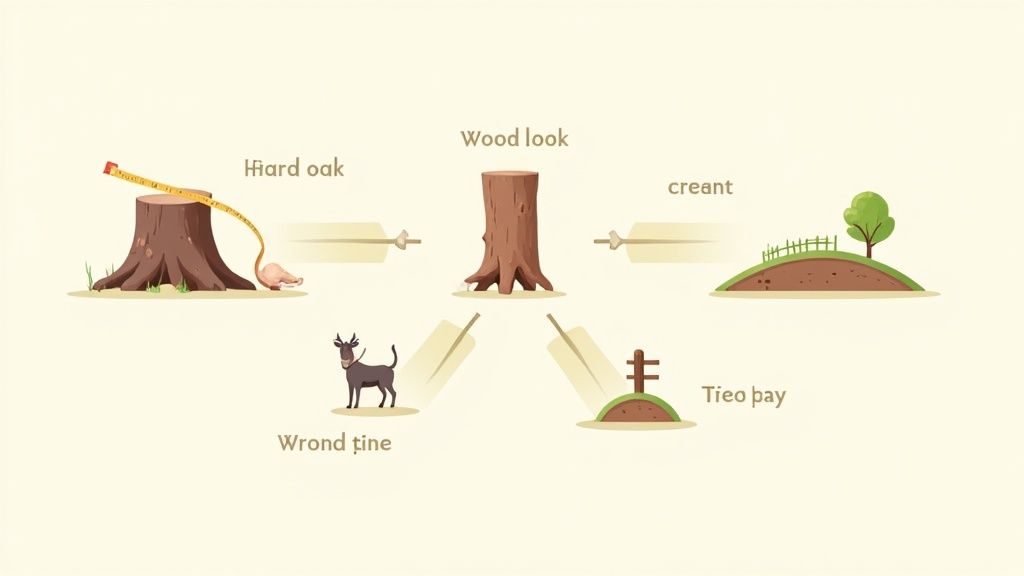
While the stump’s diameter is the star of the show when it comes to cost, a few other key players can really change the final number on your invoice. It’s a lot like getting a quote for a kitchen remodel. The square footage gives you a starting point, but the type of countertops, tricky plumbing, and custom cabinets all add up.
Getting a handle on these variables will give you a much clearer picture of what to expect. At the end of the day, every extra challenge adds time, labor, or wear and tear on the equipment, and that’s what shapes your quote. A straightforward job is always a cheaper job.
Tree Type and Wood Hardness
Let's get one thing straight: not all stumps are created equal. The tree species itself dictates the wood's density, and that has a huge impact on how hard the grinder has to work. A soft pine stump is almost like chewing through styrofoam for these machines. A gnarled, old oak stump? That’s more like trying to grind down a boulder.
The difference is significant. Tough hardwoods like oak, maple, or hickory can easily tack on up to 20% more to your final cost compared to softer woods like pine or cedar. The reason is simple—it takes more time, more fuel, and puts a lot more strain on the grinder's teeth. For a deeper dive into how this compares with other removal techniques, you can review this detailed cost analysis on LawnStarter.com.
Stump Accessibility and Location
Where that stump is sitting on your property is a massive piece of the pricing puzzle. If it's smack in the middle of a flat, open yard with easy access from the street, that's the dream scenario for any crew—and your wallet.
But the moment you introduce obstacles, the price starts to creep up.
- Close to Structures: Is the stump pushed up against a fence, shed, or your home’s foundation? That requires a delicate touch and careful maneuvering to avoid causing damage.
- On a Slope: Grinding on a hill isn't just awkward; it can be dangerous. It requires extra setup, safety precautions, and a lot more physical effort.
- Tight Squeeze: If the stump is tucked away in a backyard with a narrow gate, the crew might not be able to bring in their big, efficient grinder. They'll have to use smaller equipment, which takes longer to get the job done.
Pro Tip: When you call for a quote, be completely upfront about any access issues. Better yet, snap a few photos with your phone. Sending pictures along with the stump's diameter helps a contractor give you a far more accurate estimate right from the start.
Soil Condition and Root System
Finally, what you can't see below the surface matters just as much. The ground around the stump can make the job a breeze or a total headache. Soft, clean soil is perfect. But rocky soil is a grinder's worst enemy—it can dull or even break the machine's expensive teeth, and that risk gets factored into your price.
On top of that, you have to consider the root system. If you can see massive roots snaking across the surface of your lawn, grinding them down is almost always an extra charge. The more complex and widespread the root network, the more time and work it will take to clear the area properly so you can finally get your lawn back.
Stump Grinding Versus Other Removal Methods
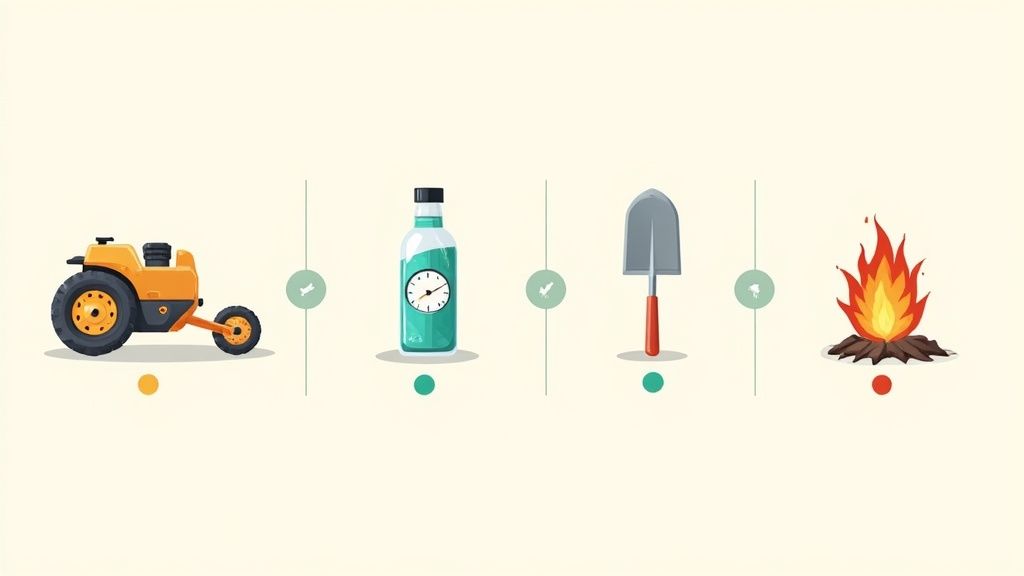
Knowing the tree stump grinding cost is a great start, but it's only one piece of the puzzle. Is grinding always the best way to go? Think of it like clearing snow from your driveway—you could grab a shovel, fire up the snowblower, or call in a plow. Each one gets the job done, but they’re worlds apart in terms of speed, effort, and what you’ll end up paying.
Stump grinding is easily the most popular choice, and for good reason. It hits that sweet spot between cost and results. But it’s not your only option. Depending on your budget, your timeline, and what you want to do with your yard next, a different approach might make more sense.
Let’s walk through the most common alternatives to see how they really stack up.
Chemical Rotting: The Slow and Steady Approach
If you’re looking to save a few bucks, chemical rotting is one of the cheapest routes. This is a classic DIY method where you drill holes into the stump and fill them with a potassium nitrate solution to give mother nature a serious nudge. While the upfront cost is pretty low—often under $100—the real price you pay is in time.
And we’re not talking about a weekend project. This is the long game. It can take anywhere from a few months to more than a year for the stump to get soft enough to bust apart with an axe. This method really only works for patient homeowners with stumps located far away from any active landscaping plans.
Full Excavation: The Most Thorough Solution
On the complete opposite end of the spectrum, you have full stump removal, or excavation. This is the most intense and expensive method, typically running from $190 to over $630. It involves bringing in heavy machinery to dig out not just the stump but the entire root ball along with it.
While it costs more, full excavation is the only way to guarantee everything is gone. It's the go-to choice if you're planning to pour a foundation, lay a patio, or build a driveway right where the tree was. You'll be left with a big hole, but you can rest easy knowing no old roots will mess with your new construction.
This approach is definitely overkill if you just want to plant some grass, but it's the gold standard for site prep. If you want to dive deeper, you can learn more about the differences between stump grinding and removal in our detailed guide.
Comparing Your Options at a Glance
So, which method is right for you? It all comes down to your priorities. Are you chasing speed, savings, or absolute thoroughness? To make it simple, we've put together a quick side-by-side comparison.
Stump Removal Methods Cost and Feature Comparison
This table breaks down the key differences to help you make the best call for your property.
| Removal Method | Average Cost Range | Time Required | Best For |
|---|---|---|---|
| Stump Grinding | $120 – $210 | 1-3 Hours | Fast, cost-effective removal for reclaiming lawn space. |
| Chemical Rotting | $76 – $200 | 6-12+ Months | Budget-conscious homeowners who are not in a hurry. |
| Manual Excavation | $190 – $630+ | 4-8+ Hours | Preparing land for construction or extensive landscaping. |
| Burning | $80 – $200 | Days | Remote areas without burn bans; not for residential yards. |
When all is said and done, for most people dealing with a stump in their yard, grinding offers the perfect mix of speed, affordability, and minimal disruption. It gets your lawn back without the long wait or the heavy-duty mess.
Cracking the Code of Your Stump Grinding Quote
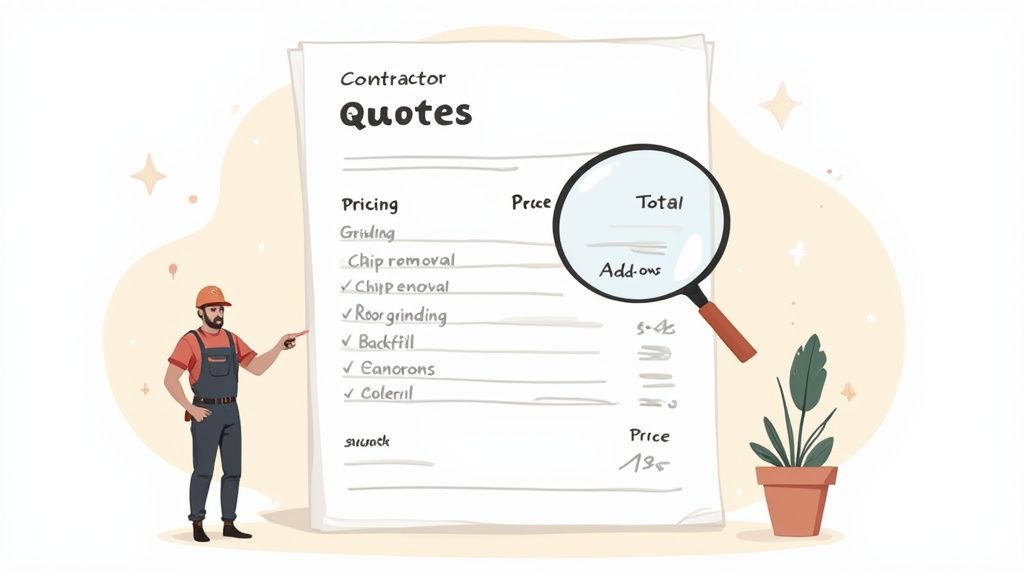
Getting a quote for stump grinding can sometimes feel a bit mysterious. A simple line item that just says "$200" doesn't give you the full picture, mostly because different companies bundle different services into that base price. To truly compare offers and avoid getting hit with surprise fees, you have to know what's actually included.
Think of it like buying a car. The sticker price is rarely the final price. That base model will get you around town, but if you want extras like a sunroof or leather seats, you'll pay more. Stump grinding works the same way. A standard quote almost always covers just one thing: grinding the stump down to 4-6 inches below the soil line.
This basic service is usually enough to get the job done. It turns that eyesore of a stump into a pile of wood chips and leaves the ground level enough to grow grass over. But that's often where the service stops. Anything more is typically considered an add-on.
What's Not Included: Common Add-Ons and Upcharges
To really compare apples to apples, you need to ask what’s not in the quote. When you're talking to a contractor, it pays to be specific and ask about these common extras that can bump up your total cost.
- Hauling Away the Debris: You'd be shocked at how big a pile of wood chips one stump can create. Most standard quotes leave the cleanup to you, assuming you’ll use the chips for mulch. If you want the crew to haul it all away, plan on adding $50 to $100 or more to the bill.
- Going Deeper: If you want to plant a new tree or install a garden bed where the old one stood, a standard 4-6 inch grind just won't cut it. Grinding down 12 inches or more is necessary to give new roots room to grow, and that extra machine time and labor will cost more.
- Chasing Surface Roots: Those big, ugly roots snaking across your lawn are almost never part of the main stump quote. Grinding those down takes time and is billed as a separate task.
- Finishing the Job with Topsoil and Seed: A stump grinding service ends with the grinding. They don’t typically fill the hole back in with fresh topsoil or lay down grass seed. That finishing touch is a landscaping task you’ll either have to tackle yourself or pay for separately.
The easiest way to get clarity is to ask direct questions like, "Does this price include hauling away the chips and grinding down those big surface roots?" This forces them to give you a true, all-in number. It’s the only way to make a fair comparison and ensure your final bill doesn’t come with any unwelcome surprises.
How to Get Accurate Quotes and Save Money
Getting a firm handle on your tree stump grinding cost takes a little more than a quick phone call. If you want to dodge surprise fees and feel confident you’re getting a fair deal, you need to arm your potential contractors with good information. Think of it like a mini-project brief—the clearer you are, the sharper their quote will be.
First things first, measure your stump's diameter at its widest point right at ground level, making sure to include any major root flair. After that, pull out your phone and snap a few clear pictures from different angles. You'll want to capture the stump itself, the area immediately around it, and anything that could pose an access challenge, like fences, steep slopes, or nearby garden sheds. That visual intel is pure gold for a contractor trying to price a job remotely.
Secure Multiple Quotes and Compare Wisely
Whatever you do, don't just go with the first quote you get. The golden rule for any home service project is to get at least three different estimates. This isn't just a race to the bottom price; it’s about getting a feel for the going rate in your area. You'll spot pretty quickly if one quote is way too high or, just as concerning, suspiciously low.
When you're comparing them, make sure you're looking at apples-to-apples offers. Ask each company exactly what's baked into their price. Does it include grinding down the surface roots? Are they hauling away all the debris? A rock-bottom quote might be for a bare-bones service that leaves you with a mountain of wood chips to deal with.
Crucial Tip: A detailed, itemized quote is the hallmark of a pro. Be skeptical of vague, one-line estimates. A reputable company will break down the costs so you know precisely what you’re paying for.
Smart Strategies to Reduce Your Final Bill
Once you have a few quotes in hand, there are some savvy ways to trim down the final cost. One of the biggest money-savers is bundling services. If you’ve got more than one stump that needs to go, you can save a good chunk of change. Because of the fixed cost of getting the crew and equipment to your property, the price per stump drops dramatically. The first one might run you $120 to $210, but each additional stump could be as low as $40 to $70. You can discover more insights about multi-stump pricing on LawnLove.com.
Here are a few more tried-and-true tactics to save some cash:
- Schedule During the Off-Season: Tree service crews are slammed in the spring and right after big summer storms. If you can wait to book your job in the late fall or winter, you can often snag a 10-20% discount.
- Keep the Wood Chips: It costs time and money for the crew to haul away debris. If you have a garden, ask to keep the wood chips! They make fantastic, free mulch for your flower beds and pathways.
- Handle the Prep Work: Take a few minutes to clear away any rocks, garden gnomes, or other debris from around the stump. The less prep work the team has to do, the less time they're on the clock.
And for the handy homeowners thinking about a DIY approach, it's smart to weigh the pros and cons carefully. You can find more information about the realities of stump grinding equipment rental in our guide to see if it really makes sense for your project.
When you first see the price for professional stump grinding, it's easy to think, "Maybe I should just rent a grinder and do it myself." It seems like a simple way to save some money, right? But that initial quote for a professional service is hiding a ton of long-term value. Hiring an expert isn't just about paying someone to do a task—it's an investment in your safety, the quality of the work, and the future of your property.
Let's be real: operating a stump grinder is risky. These are powerful, heavy-duty machines. If you don't know what you're doing, they can kick back violently, send wood chips and debris flying like shrapnel, or cause some serious injuries. A professional crew, on the other hand, comes with comprehensive insurance. That means if an accident does happen, whether it's to a person or your prize-winning petunias, you're completely covered. That peace of mind alone is often worth the cost.
Quality That Pays Dividends
Beyond the safety net, the quality of the job itself is a game-changer. A shallow grind is just a waste of time and money. Pros know this. They make sure to grind the stump deep enough to completely obliterate the root ball, which kills any chance of the stump stubbornly sprouting back to life—a classic problem with DIY attempts.
This thorough approach also prevents that leftover wood from turning into a five-star resort for pests. We're talking termites, carpenter ants, and fungi that, once settled in your old stump, might decide your house looks like a pretty nice next meal.
Ultimately, professional stump grinding transforms a liability into an asset. It removes a dangerous tripping hazard, safeguards your property from pests, and restores the aesthetic appeal of your lawn, allowing you to successfully replant and reclaim your space without future issues.
The demand for these services tells the story. The global market for stump grinders was valued at around $304 million in 2021 and is on the rise, fueled by homeowners who get it. Closer to home, the North American market for professional tree stump services was pegged at a whopping $2.5 billion in 2025, showing a clear preference for letting the experts handle it. You can learn more about the growing stump removal market trends on cognitivemarketresearch.com.
When you’re ready to invest in your property’s health and safety, you can explore our professional tree stump grinding services to get a quote from certified experts who get the job done right the first time.
Got Questions About Stump Grinding? We’ve Got Answers.
Even after you get a handle on quotes and pricing, you probably still have a few questions rolling around in your head. That’s perfectly normal. The world of tree services has its own lingo and ways of doing things. Here are some straightforward answers to the questions we hear most often from homeowners just like you.
Think of this as your final checklist before you pull the trigger on a project. We’ll clear up the practical stuff that usually pops up right before, during, or after the grinder shows up.
Is It Cheaper to Grind a Stump or Remove It Completely?
Grinding is, without a doubt, the more wallet-friendly choice. The whole point of grinding is to shred the stump down to several inches below the ground, which is a pretty quick job for a professional crew. The deep roots? They’re just left in the ground to rot away on their own.
Complete removal, on the other hand, is a whole different beast. We’re talking about a full-on excavation project, bringing in heavy machinery to rip the entire stump and its massive root ball out of your yard. It’s far more labor-intensive, tears up your lawn, and can easily cost two to three times more than standard grinding. You really only see this done when someone is clearing land for new construction.
What Happens to the Mess After Grinding?
When the job is done, you’ll typically be left with a pile of wood chips mixed with soil, all raked neatly into the hole where the stump used to be. This is standard procedure for most tree service companies.
If you want all that debris hauled away, it's almost always an add-on service that will bump up your final bill. But honestly, many savvy homeowners choose to keep it.
Money-Saving Tip: Those wood chips are basically free, high-quality mulch. You can spread them around your garden beds, at the base of trees, or in other landscaping to help hold in moisture and keep weeds down. It saves you money on debris removal and on buying new mulch from the store.
How Long Does It Take to Grind a Stump?
It really all boils down to the stump's size and how hard the wood is. A little 12-inch pine stump? A pro might have that gone in as little as 15-30 minutes. But if you're dealing with a stubborn, 36-inch oak stump, it could take anywhere from 1.5 to 3 hours to grind it down properly. And remember, that doesn't even include the crew's time for setting up their gear and cleaning up the site. Of course, part of what you're paying for is reliability; good professional contractor communication ensures they show up on time and keep you in the loop.
Should I Wait to Grind a Stump After a Tree Is Cut?
Nope, there’s absolutely no reason to wait. In fact, getting the stump ground right after the tree comes down is the best way to go. It's a common myth that letting the stump "season" or soften up over time helps. In reality, that process takes years and makes no difference to a modern, high-powered grinder.
Tackling it right away gets rid of an ugly tripping hazard, keeps pests like termites from moving in, and stops those annoying little sprouts from popping up all over your lawn.
Ready to finally get rid of that eyesore in your yard? At Richmond Tree Experts GA, our ISA Certified Arborists have been serving the Atlanta area, including Cumming, Johns Creek, and Milton, since 1985. We provide safe, efficient, and affordable stump grinding services to reclaim your landscape. Get a free, no-obligation quote today and see why homeowners across Forsyth and Cobb County trust us with their tree care needs. Visit us at https://richmondtree.com to schedule your consultation.
Have a stump you want gone? Richmond Tree Experts has worked on Marietta and Metro Atlanta trees since 1985, and every job is looked at by an ISA Certified Arborist before it is priced. Start with stump grinding, or see everything we do: tree removal, stump grinding and arborist services across Cobb, Fulton, Cherokee, Gwinnett and DeKalb counties (service areas).
Call (770) 974-3964, 7am to 11pm every day, or request an estimate online.

